
Mediterranean Beach Towns

We have been home almost as long as we were in Spain and I am thinking about what to write next. The title of this newsletter is Read, Wander, Ponder. I have written a lot about Wonder. I want to write more about the books I’m reading or what I’m pondering now that I’m back in Brooklyn. But I do love traveling and writing about it, so I’ve got a few more reflections from our trip.
Today’s is more a collection of travel experiences than a story, with a bunch of pictures to inspire you to plan your next trip, no matter where that might be.
Xabia
We went to Xabia, which is a beach town on the Costa Blanca, because we heard it had one of the most beautiful beaches in Spain. We like a good beach. This coastal area was also on the route from Cartagena to Barcelona, where we were going to visit a friend. Xabia is stunning. It has two cove shaped beaches flanked by lush green hills. I immediately saw why people loved it. There are two parts to the town, an area near the beaches and then the old town that is a 15-minute walk inland. In most of the beach towns we visited the old town was not on the water and we learned that was due to defense. Roman settlers didn’t want to build right on the coast where their towns could be visible, and vulnerable, to invaders or pirates, so they built inland.
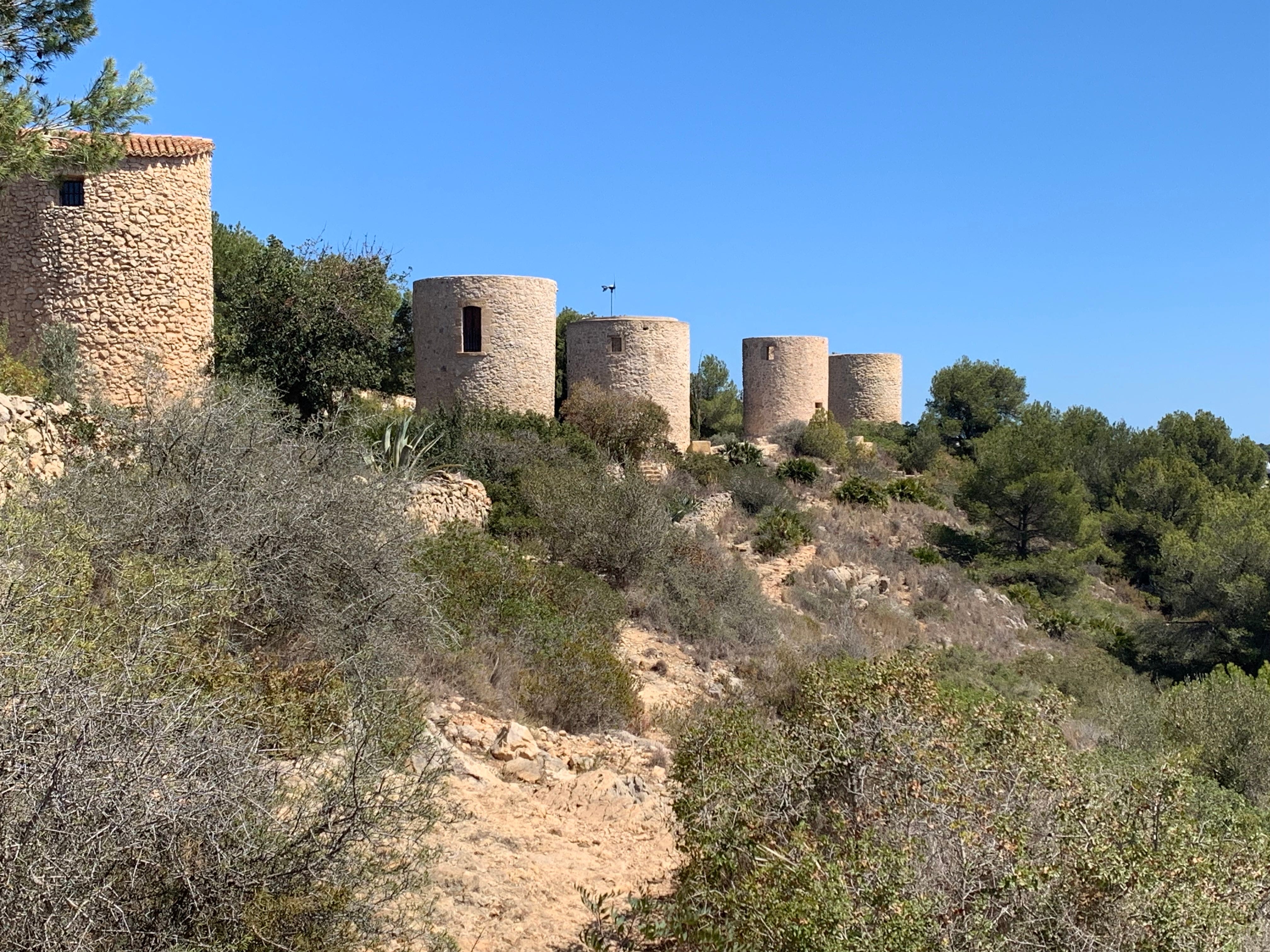
The beaches of Xabia were beautiful, but since the weather was not warm enough for swimming, we explored the hills around the water more than the beach itself and went on some beautiful hikes, including one where we saw these amazing windmills that were built between the 14th and 18th centuries.
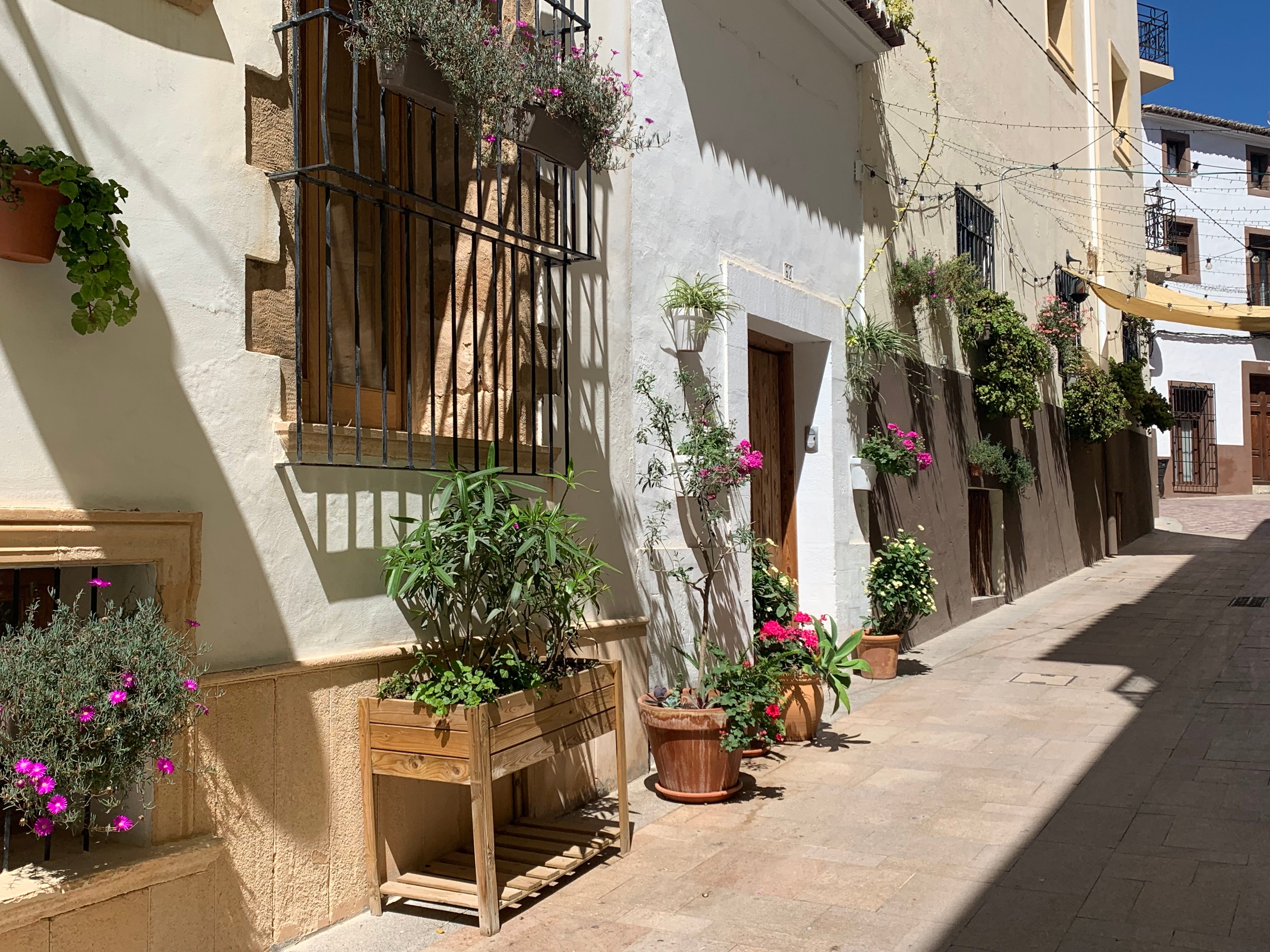
We also explored the old town where there are scenic streets to wander and museums to explore, but the city has become a destination for expats. 48% of the residents are foreign-born. We went to a lot of shops and restaurants that were owned by Dutch or Germans and encountered people from all over Europe, the UK and the US. I totally see the alure of living in this area, it is rare to find a cosmopolitan beach community, but so many expats in a small town it made Xabia feel less Spanish to us.
The most Spanish spot, which I want to recommend as it is not featured highly in the guidebooks, and we loved it, was the local municipal market, El Mercado Municipal de Abastos. It is also called the Mercat Municipal because that is the name in Valenciano, the official language of this region. We visited the local municipal market in all of the towns we visited, and in Xabia we found great cheeses, tapas bars and a wine bar where we could taste the local wines. There were also meat stalls and fruit and vegetable vendors and a really nice vibe to the market. During the lunch time it was busy with locals, at night there were more expats. But any time of day you can visit this market, it is worth a look.
Oliva and Gandia
We love a good long sandy beach. Along the Mediterranean coast many of the beaches are pebbly and shaped like a ring or a horseshoe. Olivia is an exception. It has a nice long sandy beach that goes on for miles. We stayed there for a few nights and had a lovely time. There are mainly two-story homes, and smaller apartment buildings that looked like seasonal residences in Olivia. In April there were not a lot of people around, so we enjoyed long walks on an empty beach. And while it was too cold to do much swimming, I did go in once.
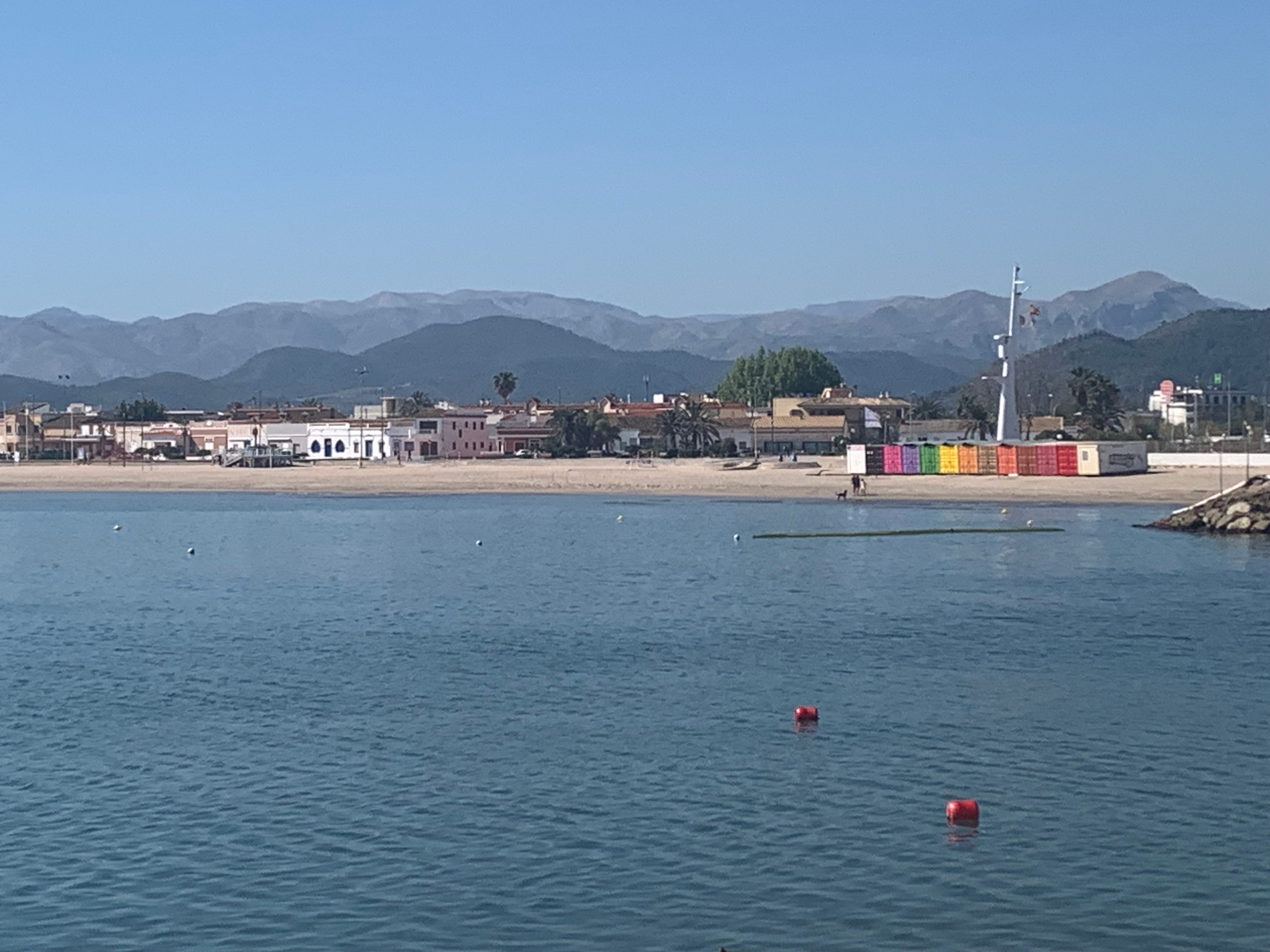
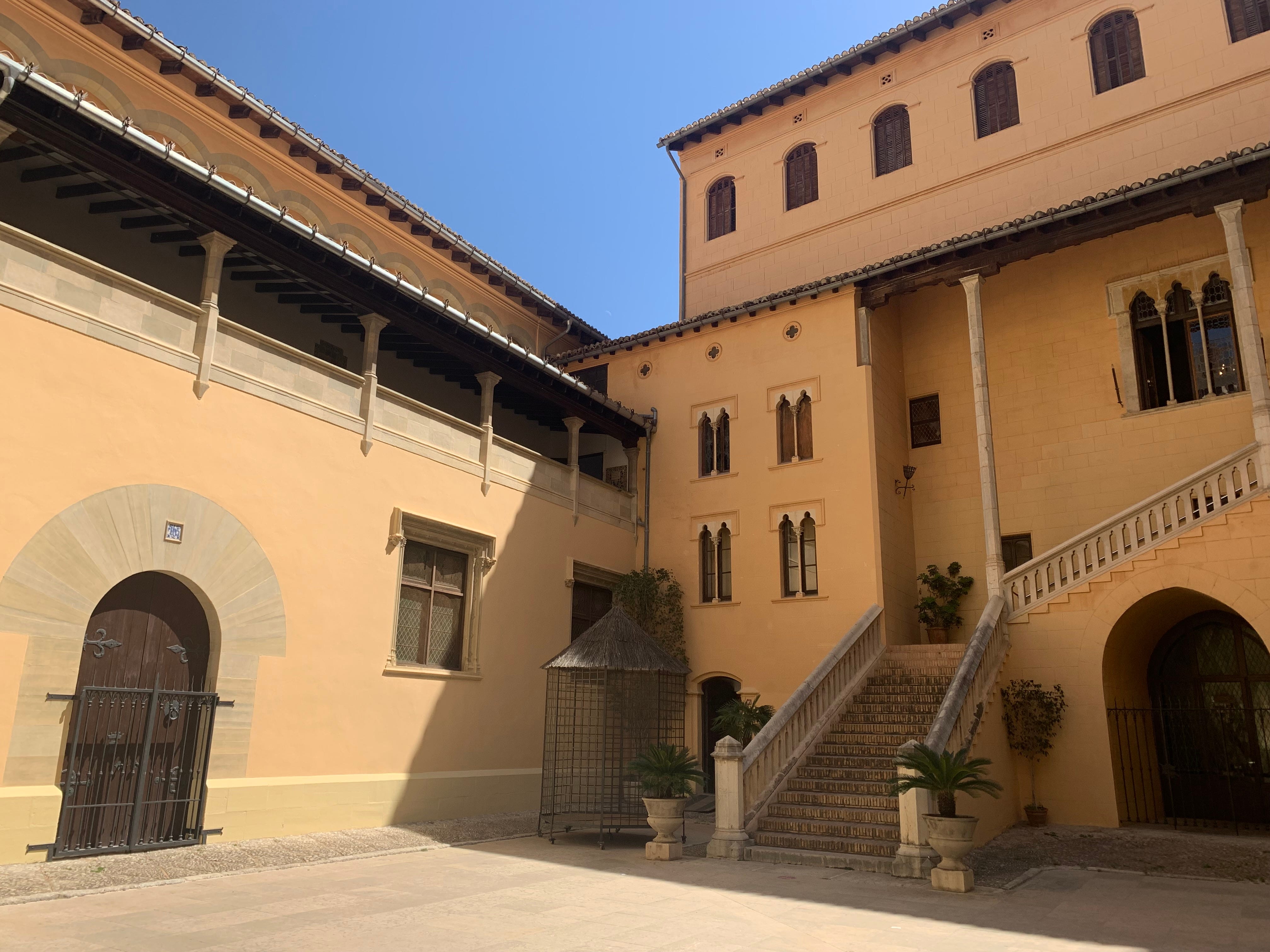
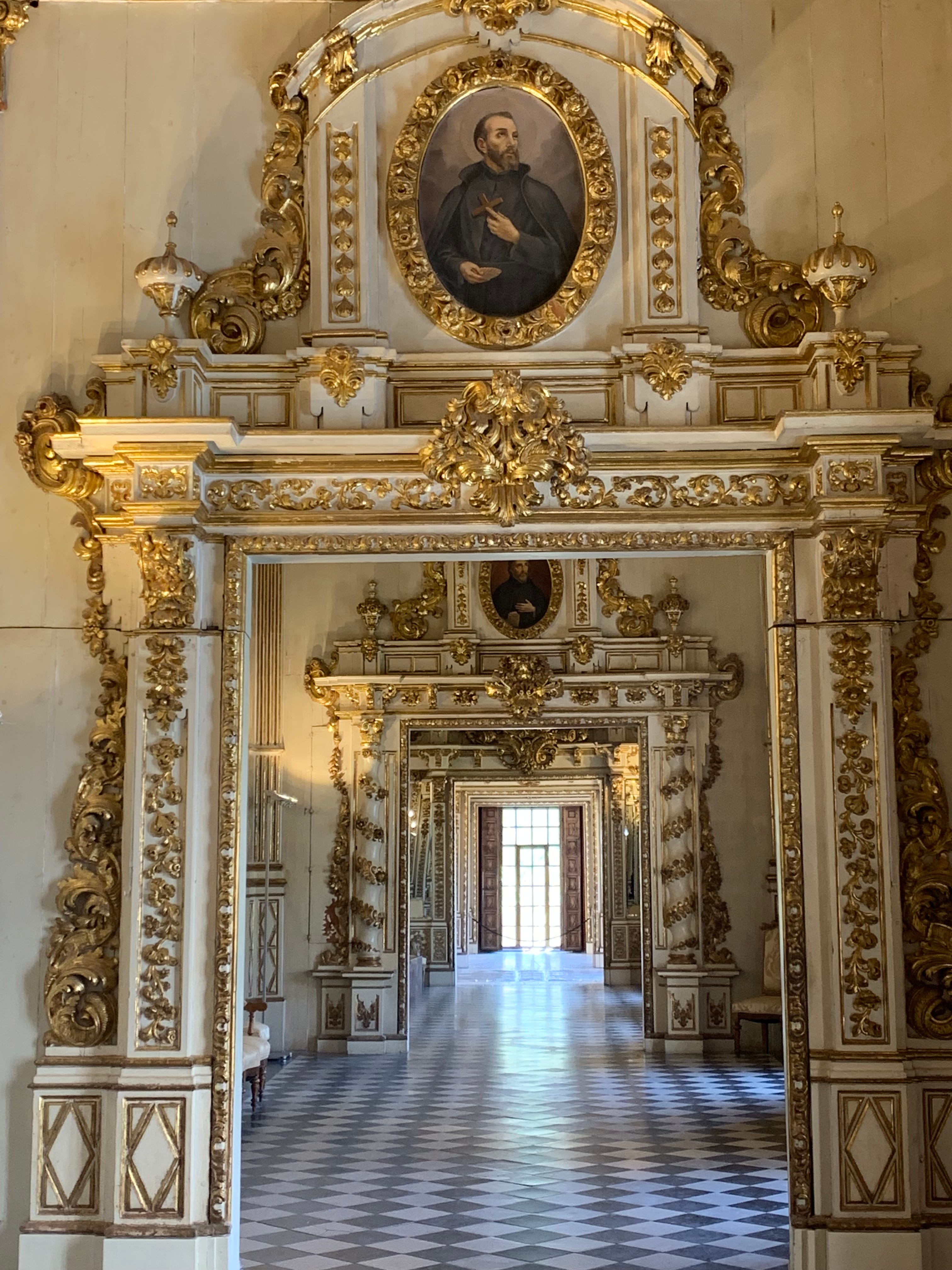
Gandia, which is a 20-minute drive north of Oliva, and connected to Valencia by train, was busier than Oliva, which you can get to only by car or bus. There were also multi-story apartment buildings lining the beach and lots of volleyball courts, which are also popular in Valencia. We found the Gandia beach to be a bit too crowded for our tastes, even in April, so we went to the old town, which, like in Xabia, was a few miles inland from the beach. There we toured the Ducal Palace of Gandia, which was home to the Borja family. The Palace dates back to the 14th and 15th centuries and is a stunning example of Gothic and Baroque architecture and design. If you go to Valencia, Gandia could be a good day trip as the Palace is stunning and has a great audio tour, and the beach is nice, just busier than what we experienced in Oliva and what we were looking for.
Tarragona
Tarragona is a hidden gem in Catalonia. It’s about 50 miles south of Barcelona, but is not on the same tourist track. We spent a week here and enjoyed everything about it—beaches within walking distance of the town center, Roman ruins and fresh local seafood and produce.
We got to Tarragona about six weeks into our trip and by that time, we made the local municipal market our first stop when arriving in a new town. It was a good way to see what produce and seafood were available and shop with the locals. Tarragona’s market was thriving with a large collection of meat and cheese vendors, many seafood vendors, a sushi restaurant, a tapas bar and fruit and bread vendors. We got some of the best lettuce that we ate on our trip there and also bought tomatoes, artichokes and seafood.
But this is an essay about beaches and Tarragona has three! Platja del Miracle is in the center of town. We didn’t spend much time there because it is known to have a strong current, but we enjoyed it (and the Roman Amphitheatre) from a rooftop bar of a hotel called H10.
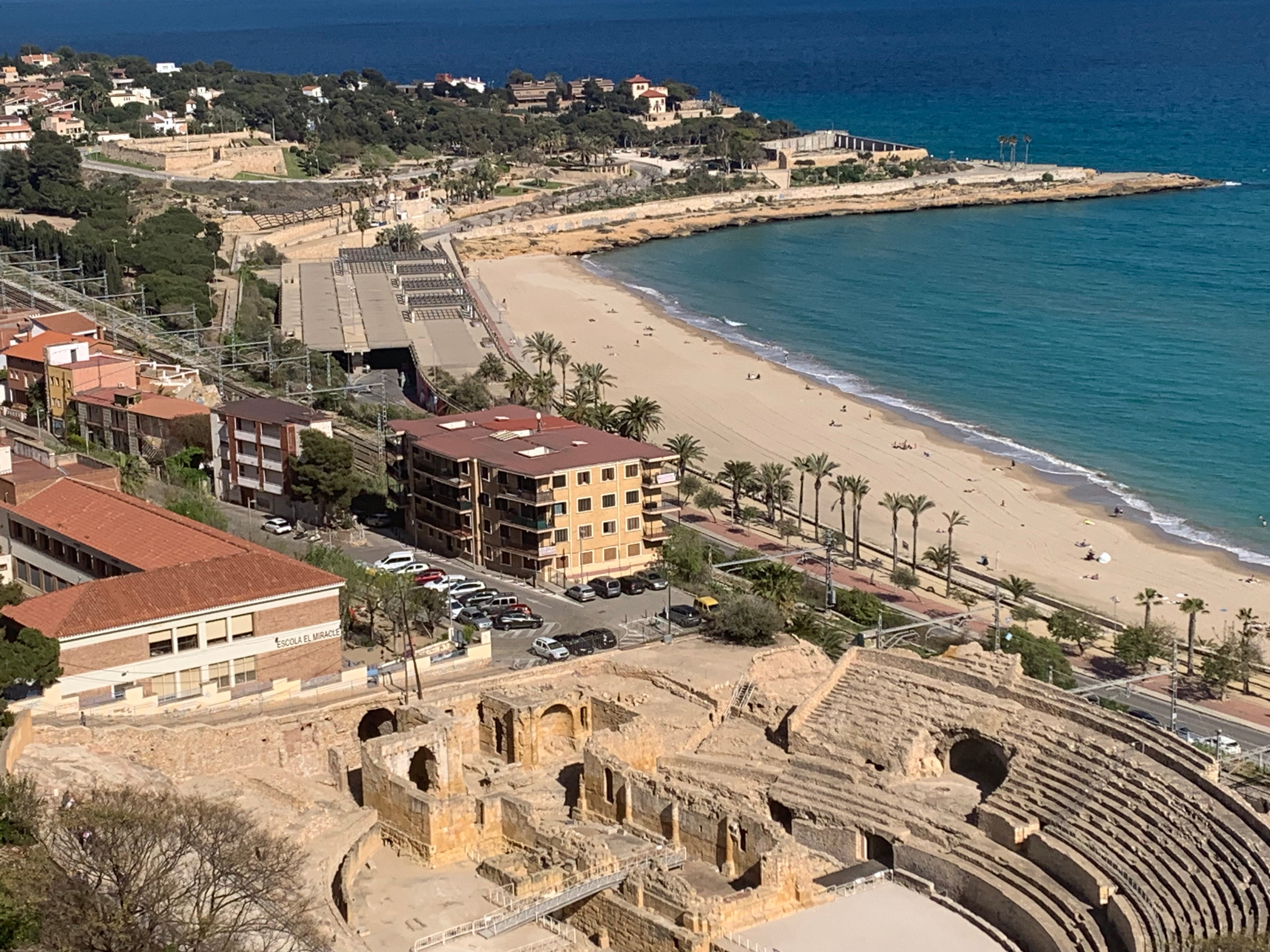
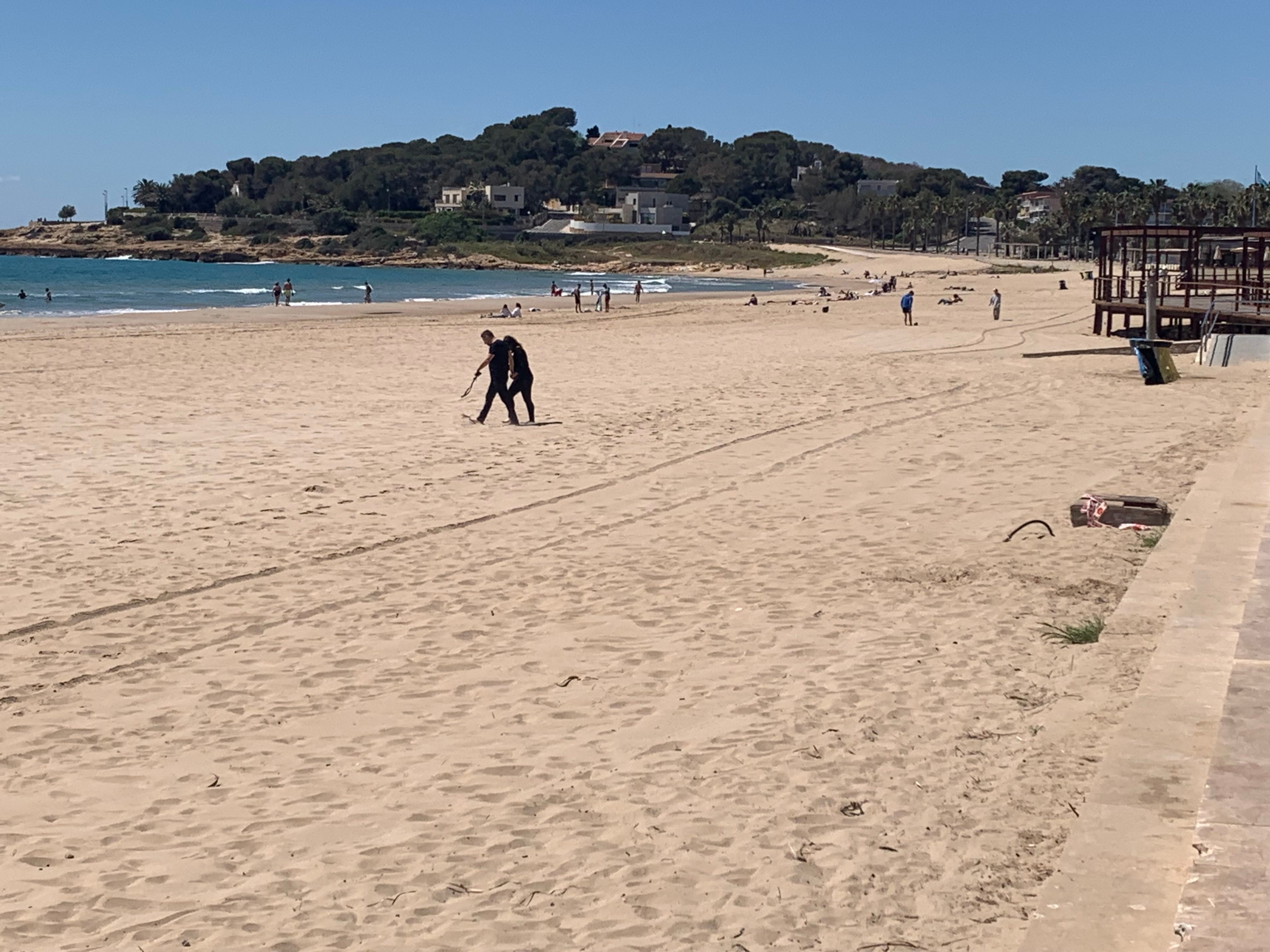
We instead walked to Platja Arrabassada, which was a 20-min walk from the center of town and a really nice sized beach with a few cafes and people swimming, hanging out and playing sports. We continued to walk another 20 minutes to Platja Llarga, which is a sandy beach that extends for two miles. On this beach we found an amazing restaurant, La Sardineta, where we had mussels that had been steamed and then grilled with salt that were some of the best mussels we have ever eaten.
We liked Platja Arrabassada enough to return there another day to relax on the beach. All of these beaches are walkable from the center and there is also a bus, which we took home from Platja Llarga that got us back to the center of town in 15 minutes.
There are also multiple Roman ruins in Tarragona, as it was the oldest Roman settlement in Spain. There are ruins of a Forum, a Roman Circus, an Amphitheatre (much like the one we saw in Cartagena) and a wall. All of which we visited and learned more about the Roman occupation of this area. And the Placa de la Font (Fountain Square), the main plaza in the old town, was built by the Romans and resembles Piazza Navona in Rome.
When we set out to explore the Mediterranean coast of Spain, we thought Xabia would be our favorite spot, but in the end, Tarragona is such a hidden gem that we can’t believe it’s not visited more, especially given how close it is to Barcelona. Being there during an unseasonably cool spring, we did not spend much time in the water, but all of these beaches are beautiful and worth exploring any time of the year.
We can’t wait to go back and explore them more!
Cool explanations about hidden gems in Spain:) Mercedes!
I’ve been to Tarragona! We went for the Roman arena. I’m not sure if we went to any beaches— because my memory is mush. We were staying in Reus, which is another under-known small city within an easy day trip from Barcelona. Thanks for bringing this all back to me!