
Carnaval in Cádiz

I really had hoped that 2026 would be a lighter year than 2025. But these first two months have been tough. One of the things that I find hard to reconcile is how while horrific things happen in one corner of the world, we keep living in another. 100 years ago we were not as aware of what was going on 1000s of miles from us, but now we are. As with my last post, I offer this one as news from a part of the world that you might not be reading about in the headlines.
I knew before coming to Cádiz that Carnaval was a big part of the city’s culture. I did not fully understand what that meant until we got here. And even now that I have experienced my first Carnaval, I am not sure I understood a lot of what happened around us. But because the tradition here is unique, I wanted to share what we experienced this winter.
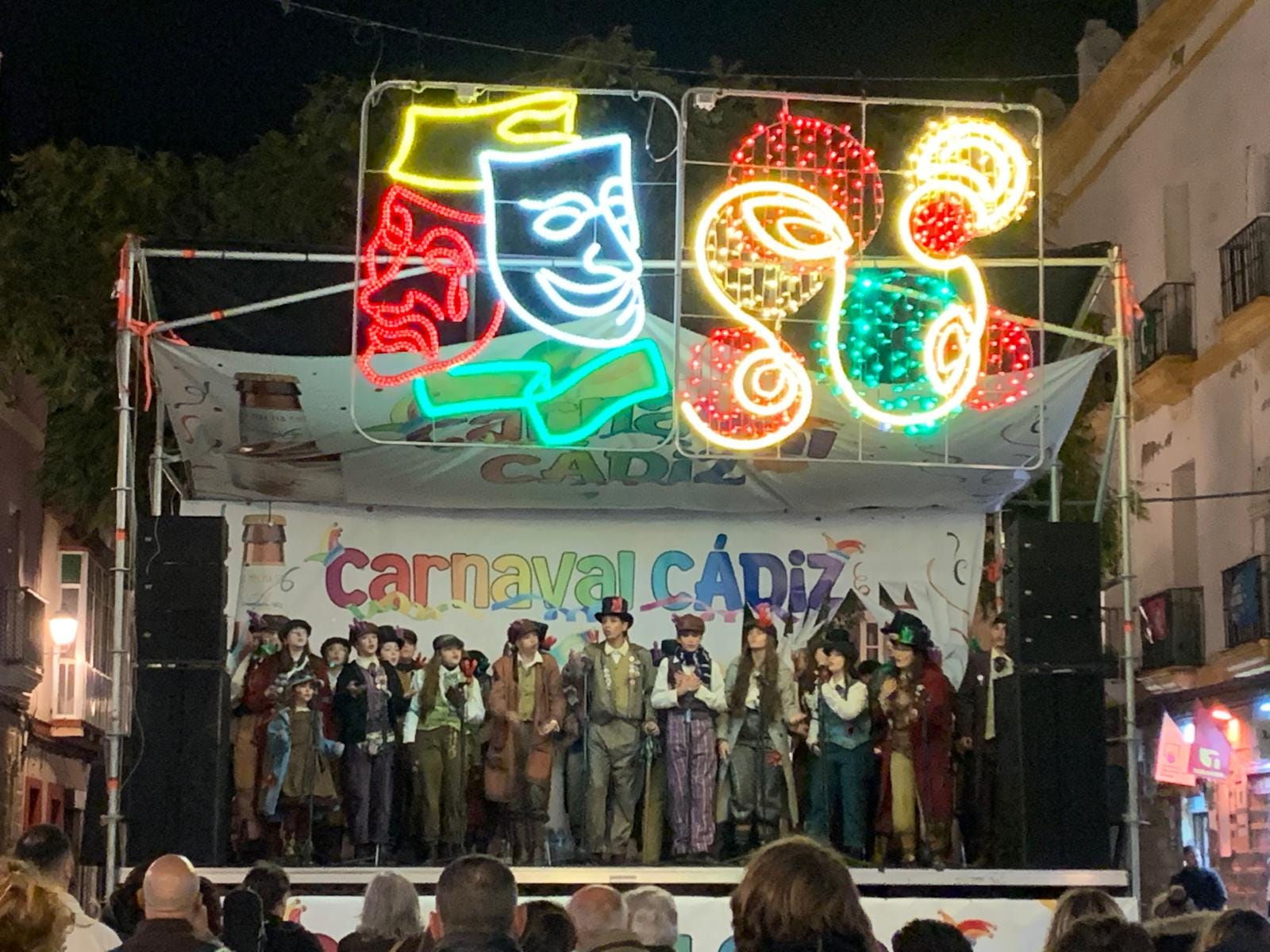
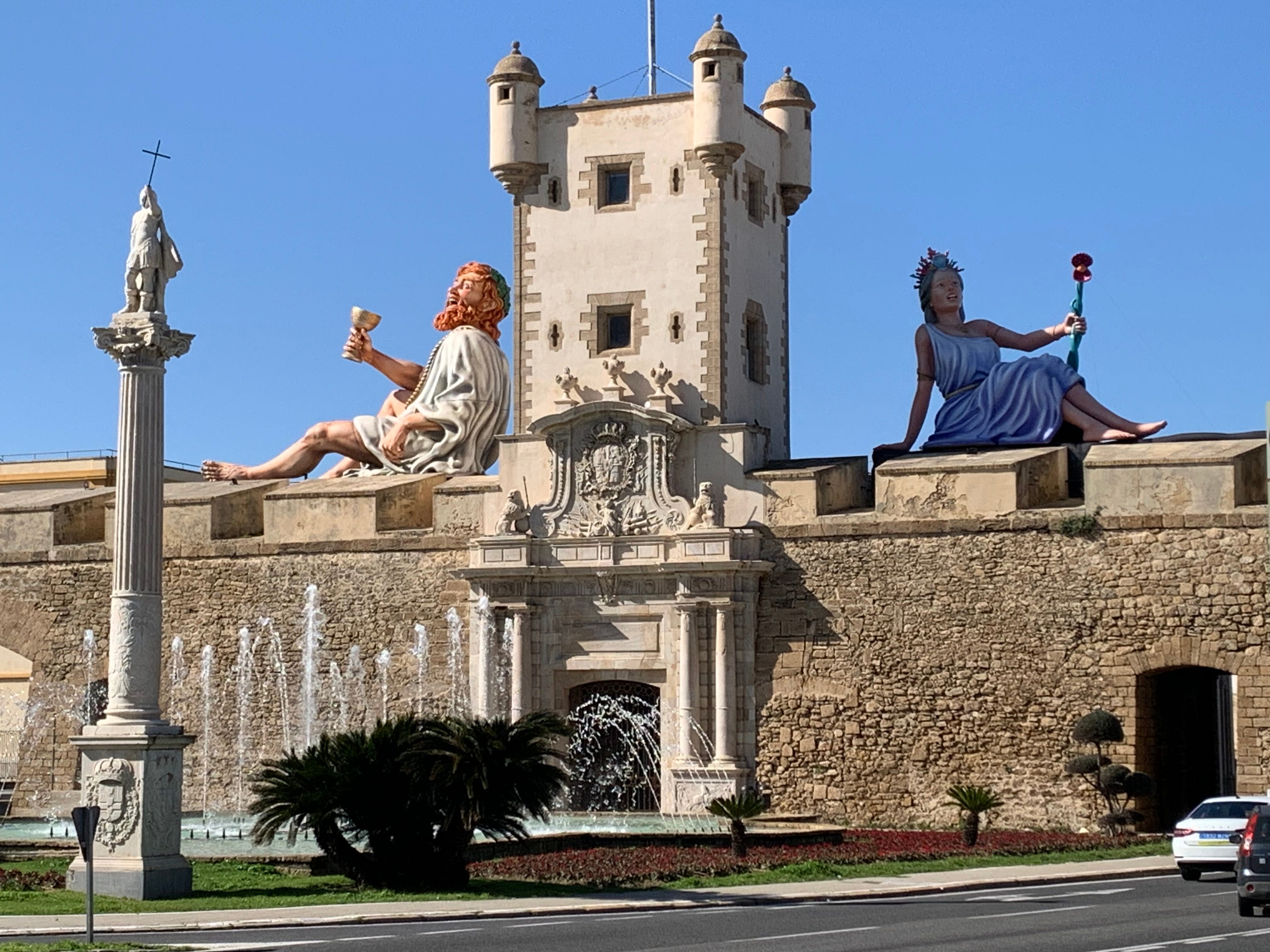
I always thought that Carnaval happened a couple weeks before Ash Wednesday, and that it lasted a few days or a week tops, but here it started on January 10th and continued until March 1st. Its history dates back to the Roman era, but the official start date of the festival is in the late 16th century. During the Franco years, starting in 1937, the festival was officially illegal. But in 1948, after a military explosion killed hundreds in the city, a censored version of it called las Fiestas Tipicas, was permitted during the month of May. This was a way for the government to give the city something after the tragedy of 1947. Then in 1979, a few years after Franco died and the dictatorship ended, Carnaval came back. Since that period it has flourished annually. If you want a more detailed history, you can read it with this website and use your browser to translate it from Spanish.
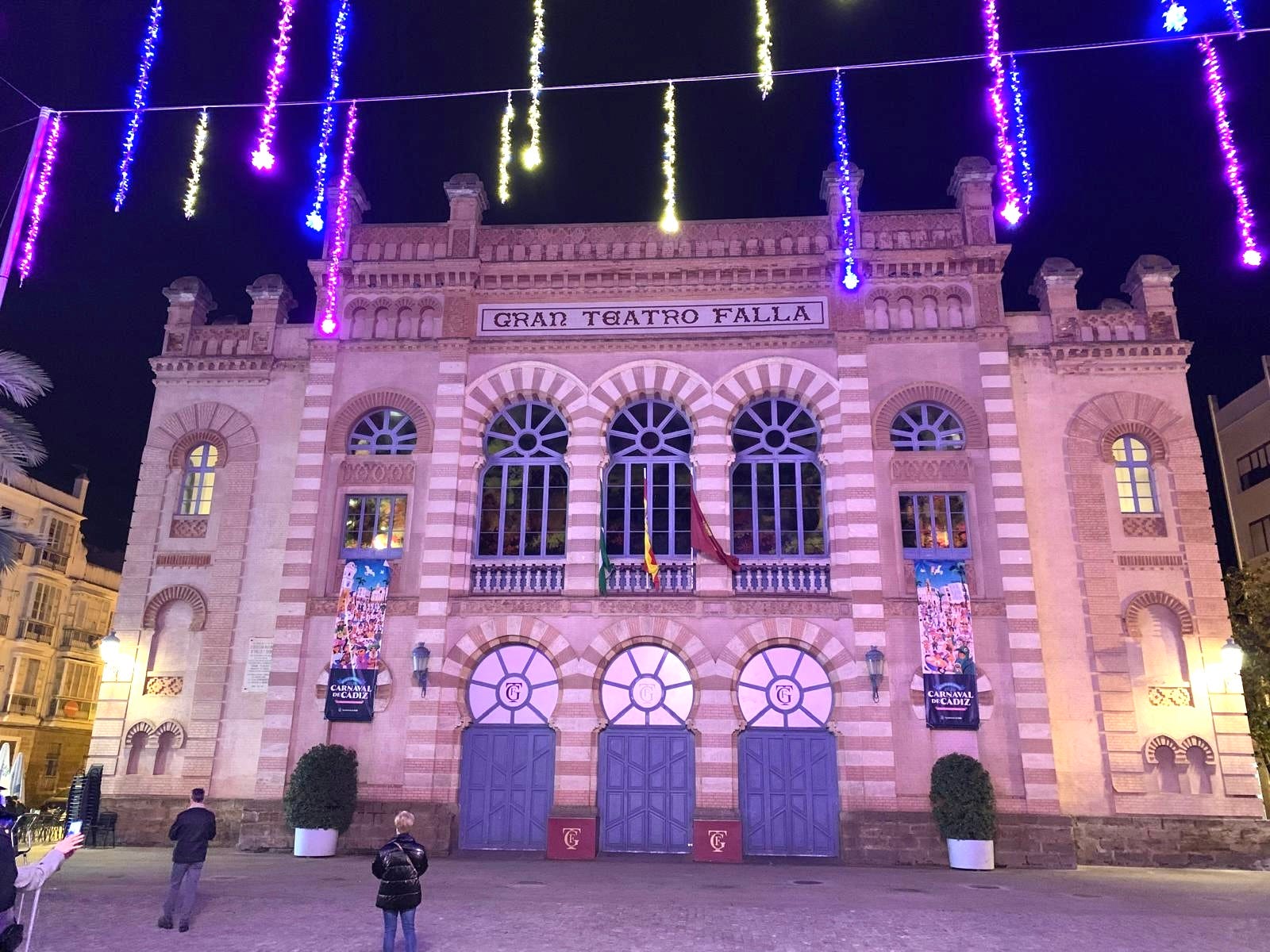
There are many parts to Carnaval—in the theatre, a series of food events, cabalgatas (parades), in the street and then Carnaval Chica, which happened after the official Carnaval ended. On January 10th the theatre portion started with 100s of groups of singers and performers competing at El Gran Teatro Falla de Cádiz to be featured during Carnaval in the streets. The theatre was built in the early 20th century and is a venue for music, theatre and dance. In January, every night was dedicated to the competition to be a part of Carnaval. Tickets sold out very quickly, but the local TV station, Onda Cádiz, live streamed them and they are available on YouTube to watch.
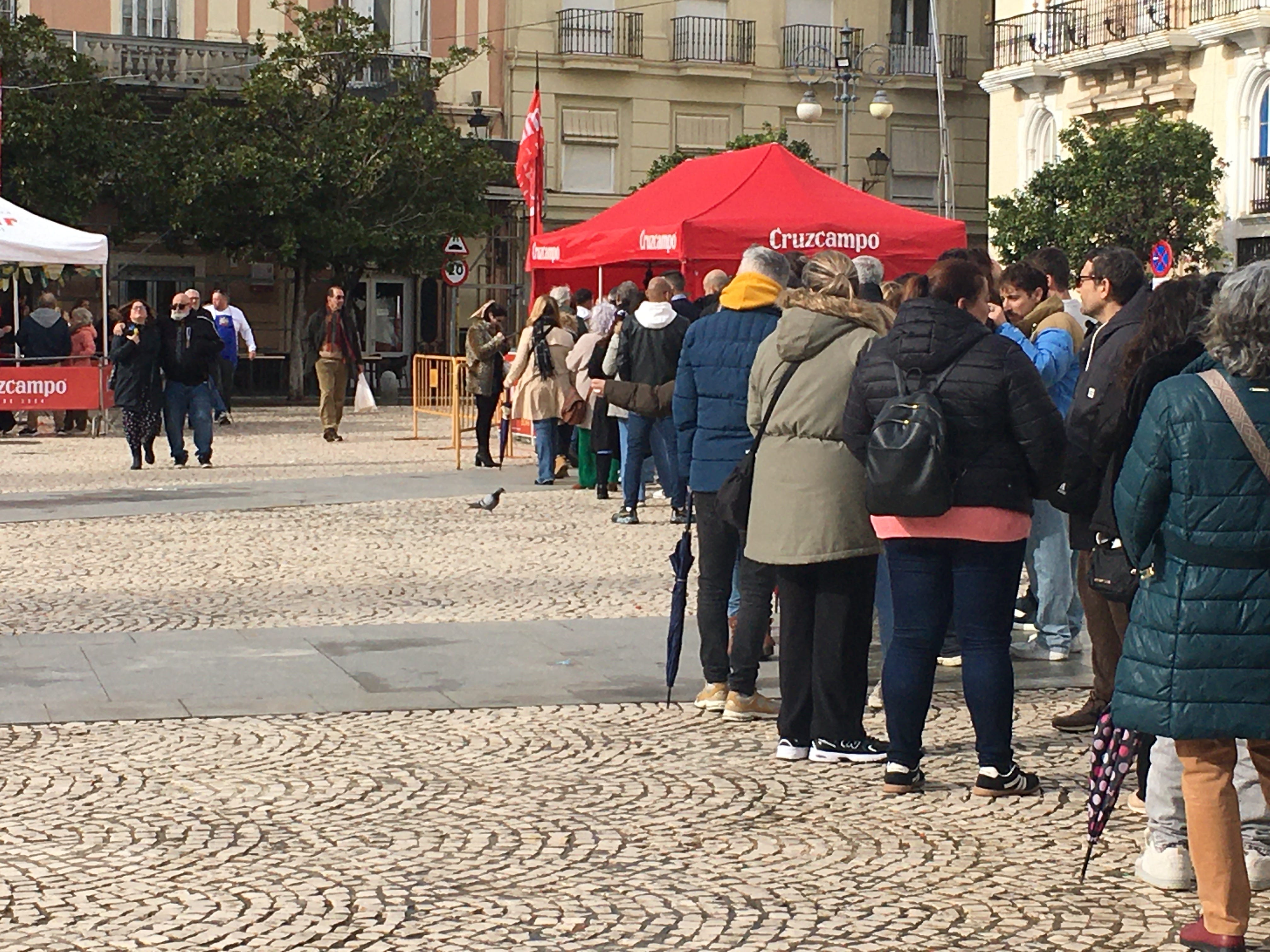
The gastronomical portion of Carnaval also started on January 10th, and for about a month free food (mainly seafood) and glasses of beer and fino (dry sherry) were handed out to people willing to wait in line. Each week was a different type of food and in a different location. We went to one, La Ostianada Popular, which was the oyster event. We waited about 20 minutes in the light rain for first one free oyster and a drink, and later two with a drink. We saw three choruses perform and the mayor, who lined up for an oyster with the rest of us, gave a short speech! There was also: La Pestinada Popular (pastries), La Mejillonada Popular (mussels), La Erizada Popular (raw sea urchin), La Gambada Popular (shrimp) and La Chicharronada Popular (pork).
The Street portion of Carnaval started on February 14th and every day and night there were tens of groups performing in different parts of the city. All of the groups performed in costume and many of the spectators also came in costume. What I loved about it was that groups planned their costumes, generally all wearing the same thing, or telling a story, so it was days of seeing people walk by as dinosaurs, 80s dancers, pirates, police officers, drones, shrimp, for sale signs and even SWAT teams, to name of few. The bands that won the competitions performed on stages or flat bed trucks that drove around the city on a schedule, then there were “illegal” bands who roamed the streets singing pop up concerts in bars, restaurants, parks and in the middle of the street. As we walked around we would see a crowd and know that group was performing.
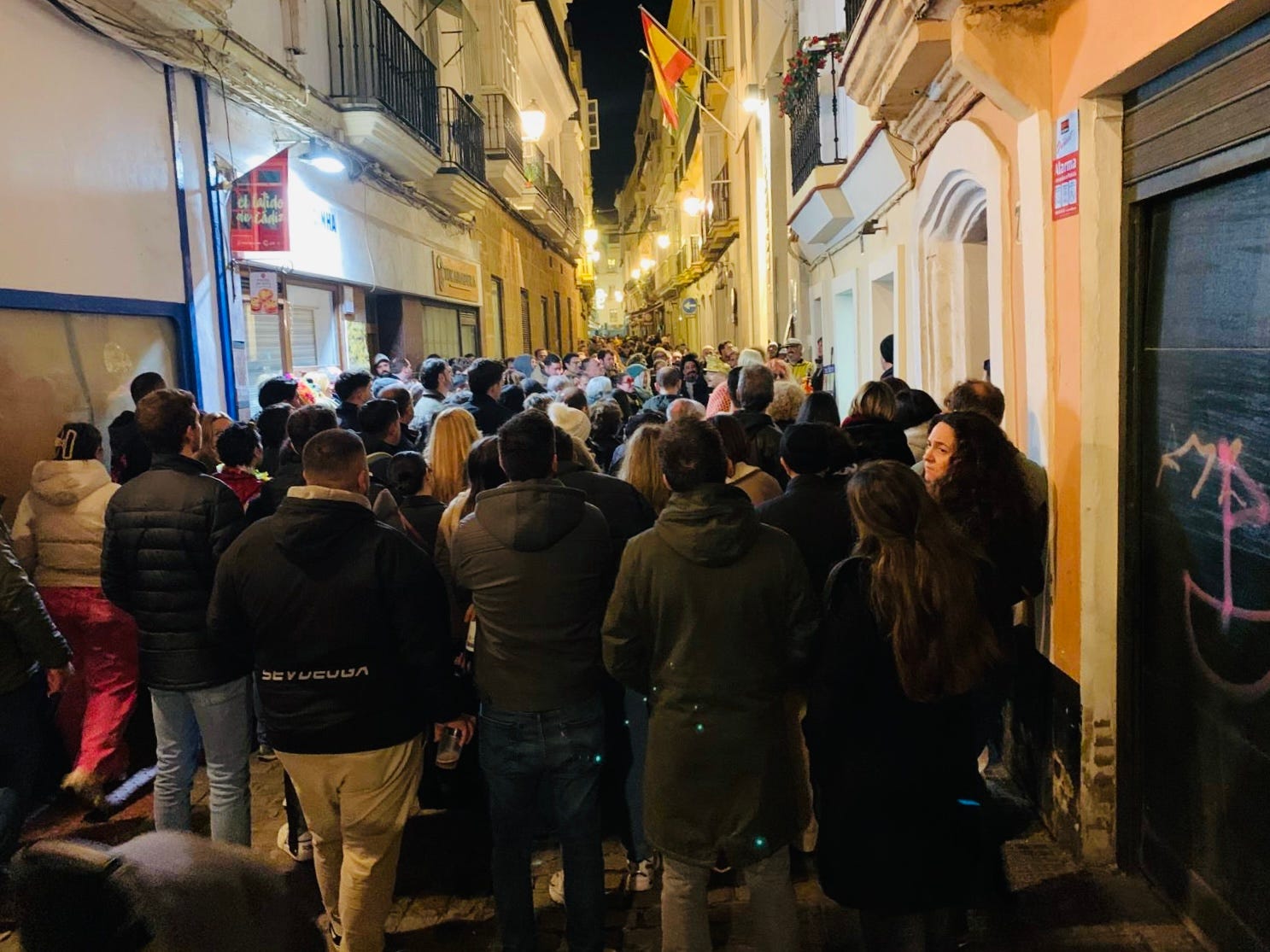
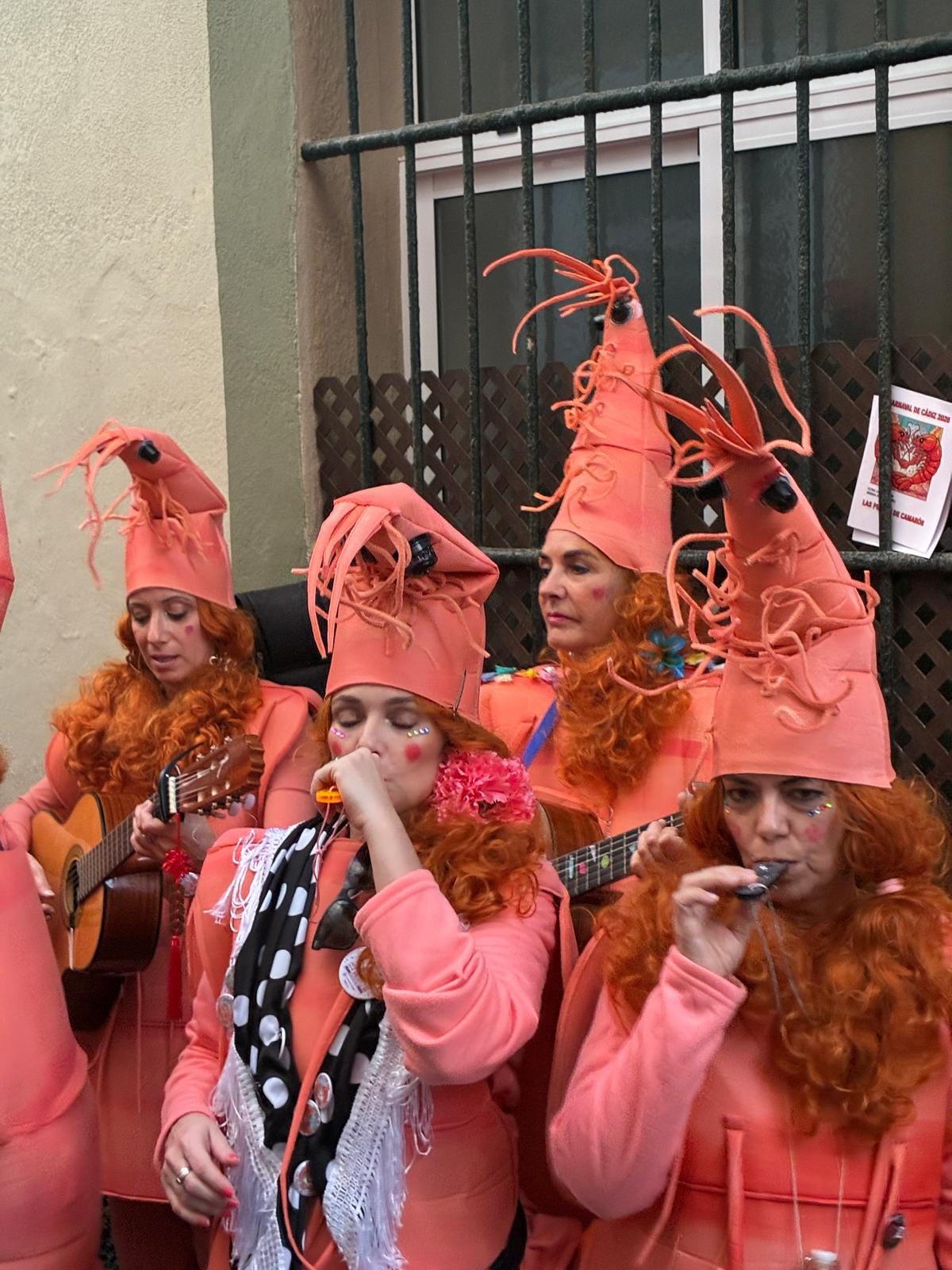
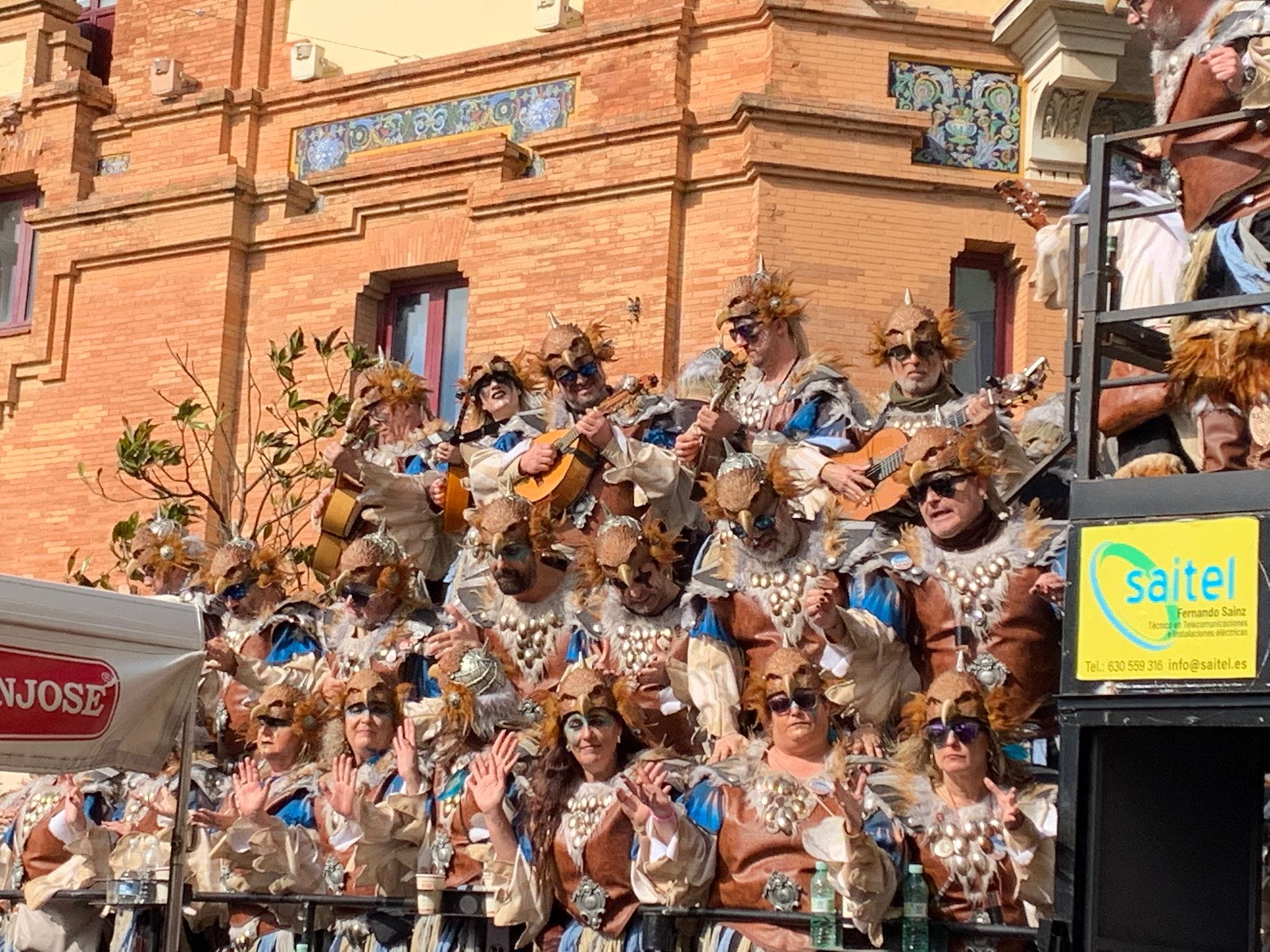
The festival is known for its creativity and humor, and also for its social satire and criticism of government and social issues. The songs mainly follow a set structure, including interaction with the audience. My descriptions are limited by both my Spanish and my inability to experience all of the events, like Carnaval Chica, which happened the weekend after Carnaval officially ended and was mainly for locals. And La Carpa, a tent that was set up near the train station that was full of bars and food trucks and with DJs nightly for 10 days. Plus other events that I did not even know about. The festival kept going in a way that I have never experienced before. Each day I would check the schedule and marvel at how many groups were performing in a town of 120K residents.
My understanding of the event is like my understanding of all of life in Spain after being here for a short time – on the edges, taking in what I can see and understand, but not fully comprehending everything around me. If we are here next year, I will see parts of Carnaval that I did not notice this year, will have a different, and likely more nuanced appreciation, of the entire event. And that is one of the joys of being in another culture—learning about it and deciphering it and with time seeing more of its subtleties and beauty.
This! "One of the things that I find hard to reconcile is how while horrific things happen in one corner of the world, we keep living in another." Thinking about this so much!
Thank you for your wonderful antidote to the reality of 2026, Kate. I'm enjoying your adventures and will look forward to your next posting.